Infinite Build
Back of House: Building a Vendor Marketplace and Management Portal
Project Overview
Back of House (BOH) is a marketplace designed to help restaurant businesses discover and connect with vendors serving the hospitality industry.
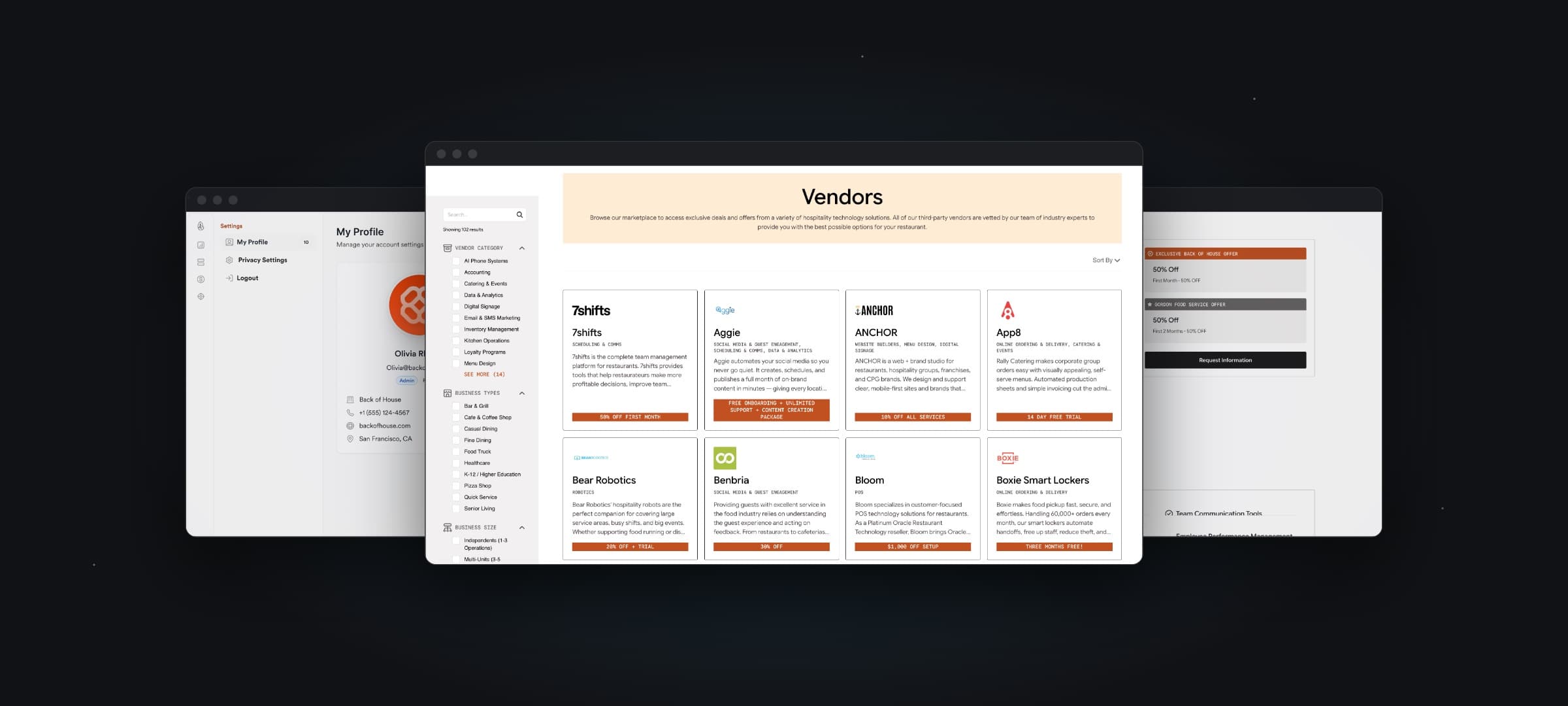
The project focused on building the marketplace experience and the supporting vendor-management portal. The marketplace allows visitors to browse vendors, search for relevant services, apply filters, and explore individual vendor profiles.
Built with Next.js, TypeScript, and Supabase, the platform combined a searchable vendor directory with a dedicated portal for managing vendor profile information.
The Challenge
A vendor marketplace needs to make discovery straightforward while keeping vendor information organized and manageable.
Visitors need to find relevant vendors without navigating through an overwhelming directory. At the same time, vendor profiles need a consistent structure, and the platform needs a way to manage that information as the marketplace grows.
The key challenges included:
- Creating a searchable and filterable vendor directory.
- Organizing vendor information into individual profile pages.
- Supporting vendor profile management through a dedicated portal.
- Connecting marketplace data to Supabase.
- Building dynamic pages that could scale as more vendors were added.
- Maintaining SEO and page discoverability.
- Managing feedback and resolving issues throughout development.
The Approach
Vendor Marketplace
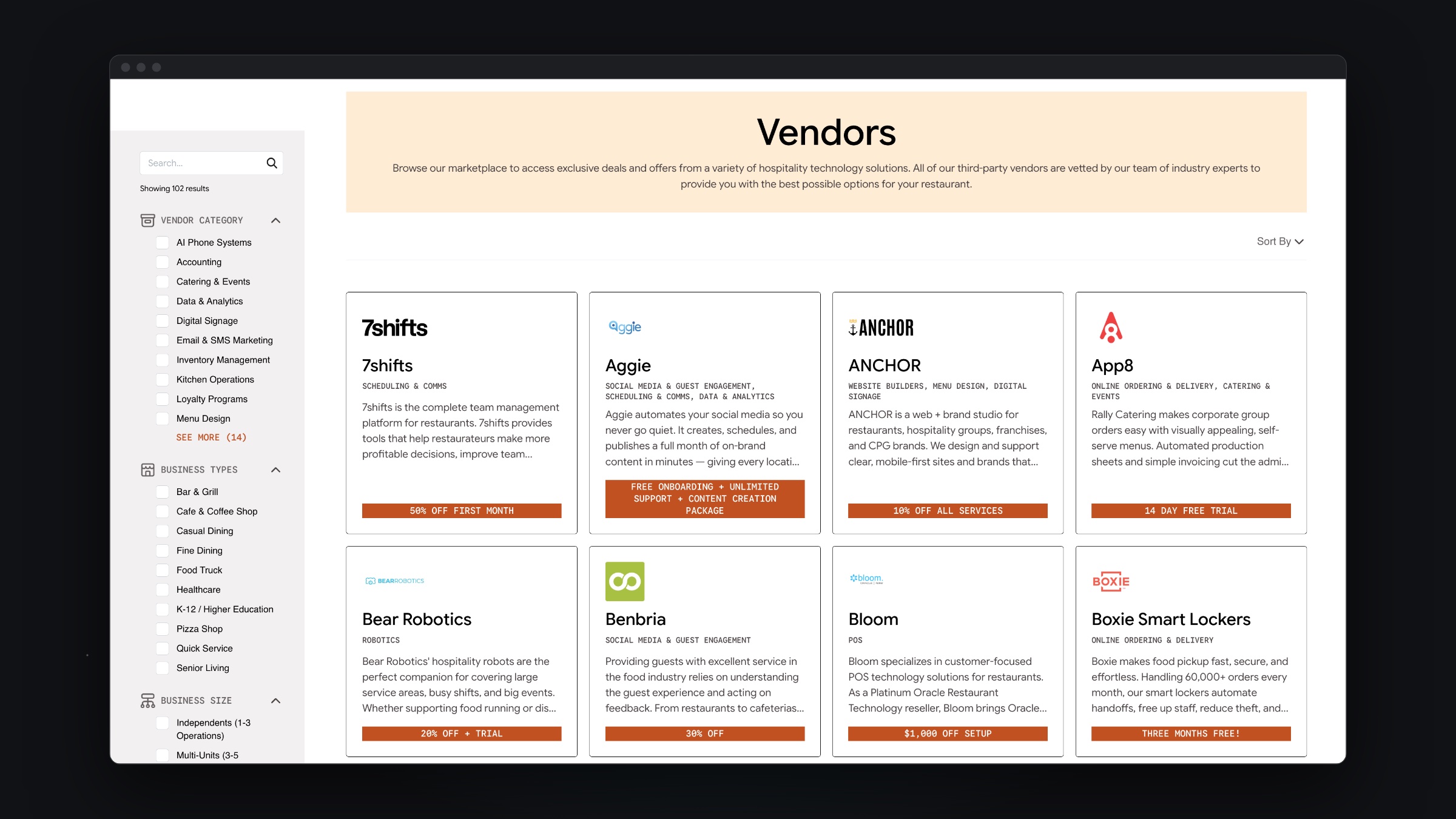
We built the main vendor directory at /vendors, giving visitors a central place to discover businesses listed on the platform.
The directory included:
- Vendor search
- Category and other filters
- Sorting options
- Vendor listing cards
- Pagination
The listing experience was designed to make it easier to narrow down vendors and explore relevant businesses.
Pagination was implemented with 24 vendors per page, providing a structured browsing experience as the directory grows.
Individual Vendor Profiles
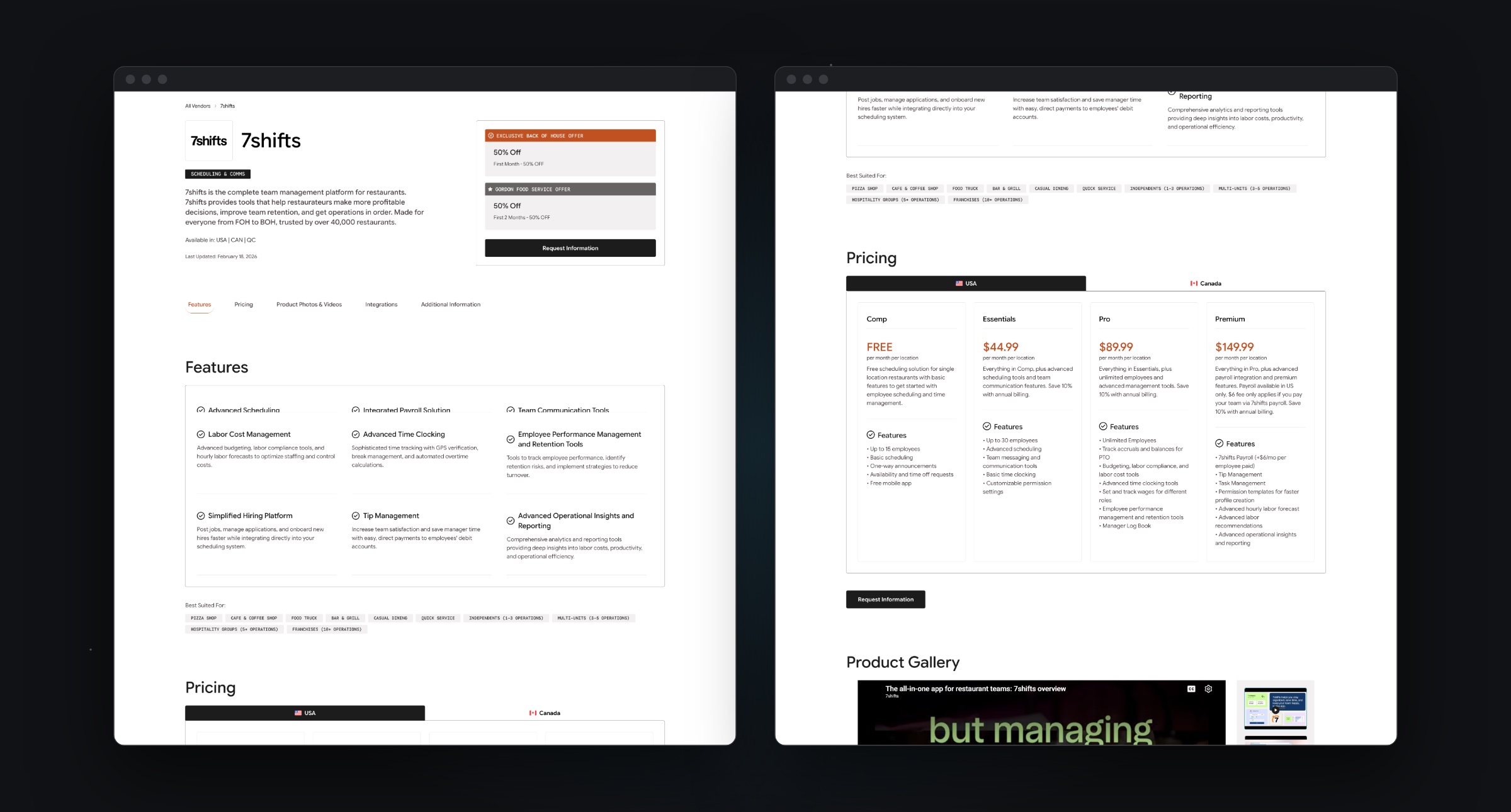
Each vendor received a dedicated dynamic profile page at /vendors/[slug].
These pages retrieved vendor information from Supabase and displayed it through a consistent profile structure.
Dynamic routing allowed individual vendor pages to be generated from their slugs rather than requiring a separate hardcoded page for every business.
BOH Portal: Vendor Profile Management
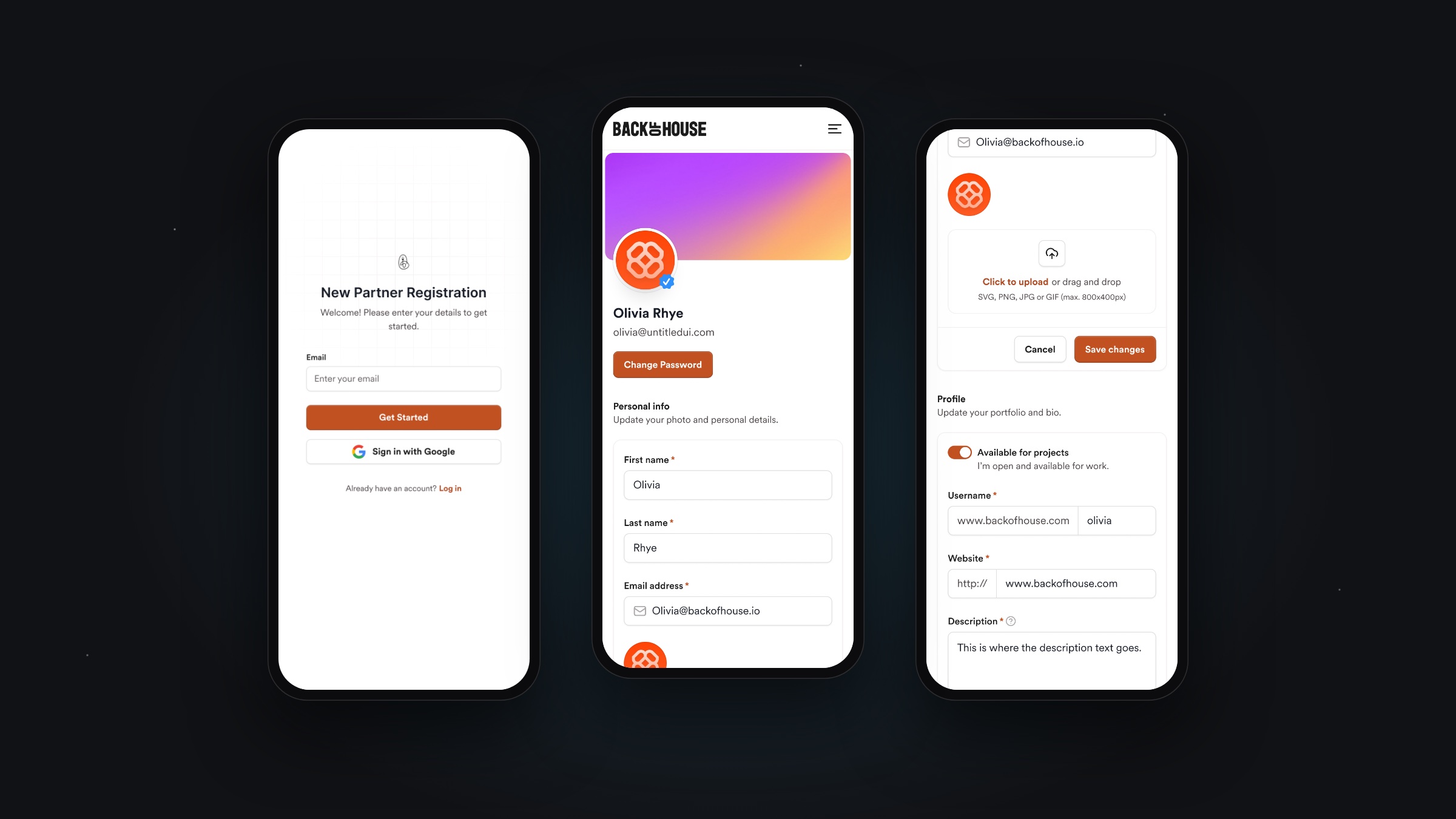
Alongside the public marketplace, we worked on the BOH Portal to support the management of vendor profiles.
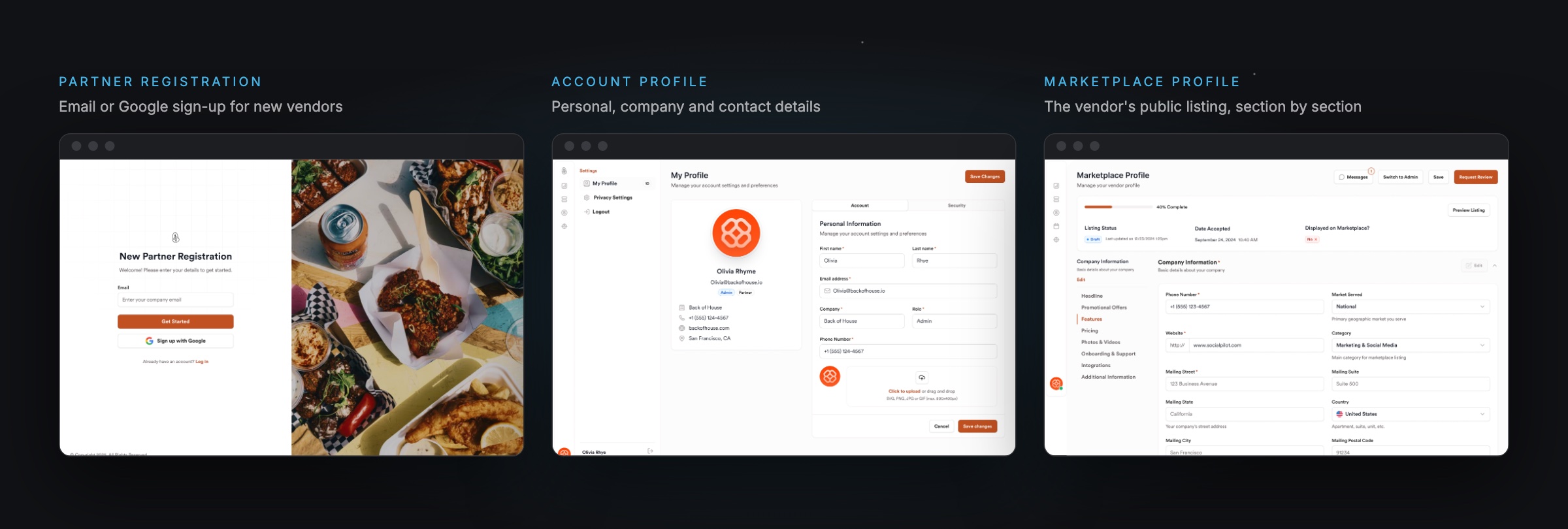
The portal provided the management side of the marketplace, helping keep vendor information organized and making profile updates part of the platform workflow.
This separated the public discovery experience from the functionality used to manage vendor information.
Platform Architecture
The platform was built using Next.js App Router and TypeScript, with Supabase handling the marketplace data.
We used Zustand for state management and Mantine UI with CSS Modules for the interface.
This provided a structured foundation for the vendor directory, dynamic profile pages, and supporting portal functionality.
SEO and Discoverability
Vendor profiles needed to be discoverable beyond the marketplace directory.
We implemented dynamic metadata for individual vendor pages, including vendor-specific page titles and sanitized descriptions.
The sitemap included both static website routes and dynamically generated vendor profile URLs, helping search engines discover the growing vendor directory.
Feedback and Quality Assurance
BugHerd was used to collect feedback and report issues during the website development process.
Reported issues could be reviewed, addressed, and checked as updates were made. This helped organize feedback and keep the development and review process focused on the actual website experience.
The Hard Part
The main challenge was building two connected experiences around the same vendor information.
The public marketplace needed to make vendor discovery simple, while the BOH Portal needed to support profile management. Both depended on a consistent data structure and reliable connections to Supabase.
Dynamic vendor pages added another layer of complexity. Each profile needed its own URL and metadata, while the directory needed to support search, filters, sorting, and pagination without becoming difficult to maintain.
The solution brought these pieces together through a shared platform architecture.
The Outcome
The project delivered a vendor marketplace and supporting profile-management portal built around Next.js and Supabase.
Key outcomes included:
- A searchable vendor directory with filters and sorting.
- Vendor listing cards and pagination, displaying 24 vendors per page.
- Dynamic vendor profile pages using individual slugs.
- A BOH Portal for managing vendor profiles.
- Supabase integration for marketplace data.
- Dynamic SEO metadata for vendor profiles.
- A sitemap covering static routes and vendor pages.
- BugHerd-based feedback and issue tracking.
Why This Matters
A marketplace needs to work for both sides of the experience: people searching for businesses and the businesses whose information appears on the platform.
For Back of House, the work brought together vendor discovery, profile management, dynamic content, and SEO into one connected platform.
The result was a foundation for a growing vendor marketplace, with a public directory for discovery and a dedicated portal for managing vendor information.
Building a marketplace for both sides of the experience?
Let's talk about how Infinite Build can help you build the platform behind discovery and management.